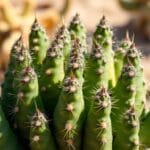
The Pincushion Cactus, Mammillaria crinita, is a striking member of the Mammillaria family native to the dry regions of Mexico. Known for its clustered, cylindrical stems, soft radial spines, and small, vibrant flowers, this cactus combines striking form with straightforward care. While it stands out as an ornamental focal point in succulent collections, it also rewards attentive gardeners with longevity and seasonal blooms.
This guide provides a detailed approach to caring for Pincushion Cactus, with recommendations on light, soil, watering, temperature, propagation, and common issues. Whether you are building a desert plant display or looking to expand your indoor cactus collection alongside guides like our [Fishbone Cactus Care Guide](https://mygardenandmore.com/fishbone-cactus-epiphyllum-anguliger-care-guide/) and [Star Cactus Care Guide](https://mygardenandmore.com/star-cactus-astrophytum-asterias-care-guide/), this post will serve as your roadmap to success.
Natural History and Appearance
Mammillaria crinita forms oval to cylindrical stems with clusters that sometimes spread into colonies. Young plants have woolly areoles and hair-like spines, while mature stems can reach several inches tall. Flowering typically occurs from late winter to late summer, with blooms appearing around the top of mature stems and ranging from soft pastels to deeper hues.:contentReference[oaicite:0]{index=0}
Care Summary Table
| Care Factor | Recommendation |
|——————-|——————————————————————————-|
| Light | Bright light to direct sunlight, ideally 4–6 hours daily |
| Soil | Fast‑draining cactus/succulent mix with coarse sand and perlite/pumice |
| Watering | Moderately in growth season; reduce in autumn and winter |
| Temperature | 65–80°F (18–27°C); protect from frost |
| Fertilization | Balanced cactus fertilizer in spring and summer |
| Propagation | Seeds or offsets; plant in dry, fast‑draining soil |
| Dormancy | Reduce watering during winter; provide cool period without frost |
Light Requirements
Pincushion Cactus thrives in **bright light with plenty of direct sunlight**. Indoors, a **south or west-facing window** provides the best light levels. When light is insufficient, stems may become elongated, pale, or weak. Outdoors, provide morning or late afternoon sun, especially in regions with intense midday heat.
Soil and Potting
A fast‑draining soil mix is essential to prevent root rot and mimic the Pincushion Cactus’s native arid habitat. Use a commercial cactus/succulent mix or create your own blend with:
– 50% cactus potting soil
– 25% coarse sand or fine gravel
– 25% perlite or pumice
Terracotta pots with drainage holes are ideal for promoting airflow and preventing moisture buildup around the roots.:contentReference.
Watering Guidelines
During the **active growing season** (spring and summer), water moderately, allowing the soil to **dry completely between waterings**. As autumn begins and the plant shifts toward dormancy, reduce watering progressively until only a light watering is necessary, or none at all, during winter. Pincushion Cacti are sensitive to overwatering, which can lead to root rot and stem softening.:contentReference.
Temperature and Humidity
These cacti prefer warm temperatures in the range of **65–80°F (18–27°C)** during the growing season and can tolerate brief exposure down to around **50°F (10°C)** without damage if kept dry. High humidity is unnecessary; in fact, low humidity and good air circulation help deter fungal issues.:contentReference[oaicite:4]{index=4}
Fertilization
Apply a **diluted, balanced cactus fertilizer** during the growing season, typically every 4–6 weeks. Fertilizing provides nutrients that support healthy growth and more vibrant flowering. Avoid fertilizing in fall and winter when growth slows.:contentReference.
Propagation
Pincushion Cacti can be propagated from **seeds** or by separating **offsets** produced at the base of mature plants. For offsets, allow the detached piece to callus for a few days, then plant in a dry, well‑drained soil mix. Maintain bright light and minimal water until roots form.:contentReference.
Common Pests and Problems
While generally resilient, Pincushion Cactus may encounter:
– Mealybugs and spider mites
– Root rot due to excess moisture
– Weak or stretched stems from insufficient light
Treat pests promptly with neem oil or insecticidal soap and always ensure that soil and containers promote drainage.:content.
Winter Dormancy
In winter, the cactus enters a dormant phase. Allow the plant to rest in cooler conditions with minimal watering. This pause in growth mimics its natural seasonal cycle and encourages stronger development in the following season.:contentReference.
FAQ
Q: What type of light does a Pincushion Cactus need?
A: It needs bright light with several hours of direct sunlight daily. Place it near a south or west window indoors or provide morning sun outdoors for optimal growth.:contentReference.
Q: How often should I water my Pincushion Cactus?
A: Water moderately during growing months, letting the soil dry fully between waterings. Reduce watering progressively in autumn and minimal or none in winter.:contentReference.
Q: What soil mix is best for Mammillaria crinita?
A: A fast‑draining cactus or succulent mix with coarse sand and perlite or pumice is ideal to prevent waterlogged roots.:contentReference.
Q: Can this cactus be propagated?
A: Yes. It can be grown from seeds or separated offsets. Cut pieces callus before planting in dry, well‑drained soil.
Q: Is Pincushion Cactus sensitive to humidity?
A: It prefers low humidity and good air circulation. High humidity and damp soil increase the risk of fungal issues.