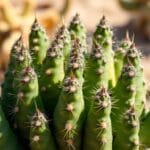
The Old Lady Cactus, Mammillaria hahniana, is one of the most beloved cactus species in cultivation. Its dense, fuzzy white spines resemble soft hair, giving it a charming, “old-lady” appearance. Small pink flowers often ring the top of mature stems in spring and summer, making it both decorative and easy to grow indoors.
This cactus is perfect for both novice and experienced growers. With the right light, water, and soil conditions, it can thrive for many years, forming beautiful clumps that bring texture and character to your cactus collection or sunny windowsill.
Old Lady Cactus Care Summary
Care Aspect Recommendation Light Bright light with several hours of direct or intense indirect sun daily Soil Fast-draining cactus/succulent mix with coarse sand and perlite/pumice Watering Soak-and-dry; moderate in growing season, minimal in winter Temperature 65–80°F (18–27°C); protect from cold below 50°F (10°C) Fertilization Light feeding during spring and summer Propagation Offsets and seeds in well-drained soil Common Issues Overwatering, pests, insufficient light Botanical Background and Appearance
Mammillaria hahniana is native to the mountains of central Mexico, where it grows in open slopes with strong sunlight and well-drained soils. In its natural habitat, this cactus forms dense clusters over time, often creating interlocking spheres that are covered in white, hair-like spines.
The common name “Old Lady Cactus” refers to the fluffy appearance of these spines, which can give the plant a soft, silvery look. In favorable conditions, vibrant pink blossoms appear, creating a striking contrast against the white spines.
Light Requirements
Old Lady Cactus thrives in bright light. Indoors, place it near a south- or west-facing window where it receives strong, direct sunlight for several hours each day. Direct morning or late afternoon light is ideal. Too little light will result in elongated, pale growth, while too much harsh midday sun in unaccustomed plants can scorch the spines.
If your space lacks strong natural light, consider using a supplemental grow light to maintain compact, healthy stems.
Soil and Potting Mix
This cactus requires excellent drainage. A quality cactus or succulent potting mix is recommended. You can also create a custom blend:
50% cactus potting soil
25% coarse sand or gravel
25% perlite or pumice
Use a pot with drainage holes to ensure excess water can escape. Repotting every 2–3 years helps prevent soil compaction and refreshes nutrients.
Watering Guidelines
Old Lady Cactus follows a traditional cactus watering schedule:
Water thoroughly until water drains from the bottom
Allow the soil to dry completely before watering again
In spring and summer, this may mean watering every 7–14 days, depending on temperature and humidity. In fall and winter, reduce watering significantly — often only once a month or less — as the plant enters a dormant period.
Overwatering is the most common issue for this species and can lead to root rot and stem softening.
Temperature and Environment
Old Lady Cactus is happiest in warm temperatures ranging from 65 to 80°F (18–27°C). It tolerates brief dips down to about 50°F (10°C) but should be protected from prolonged cold or drafts, especially during winter.
Average household humidity is sufficient; high humidity increases the risk of fungal issues, especially if watering is excessive.
Fertilization
During active growth in spring and summer, feed with a balanced, diluted cactus fertilizer every 4–6 weeks. Avoid fertilizing in the dormant months of fall and winter, when the plant’s growth naturally slows.
Propagation Methods
Old Lady Cactus can be propagated successfully in a couple of ways:
Offsets
Mature plants often produce offsets (baby pups) around the base. These can be carefully removed, allowed to callus for a few days, and then potted in a well-draining cactus mix.
Seeds
Propagation from seed is also possible but slower and more advanced. Sow seeds on the surface of a well-draining mix, keep lightly moist, and provide bright light and warmth.
Common Pests and Problems
Old Lady Cactus is generally hardy, but issues can arise:
Overwatering and root rot
Symptoms: Soft stems, blackened base
Response: Stop watering, repot in dry soil, improve drainage
Pests (mealybugs, scale, spider mites)
Visible pests, sticky residue, webbing
Response: Isolate the plant and treat with neem oil or insecticidal soap
Ligth deficiency
Elongated and pale stems
Response: Provide stronger light or supplemental grow lighting
Seasonal Care and Dormancy
As daylight shortens in autumn, gradually reduce watering. In winter, maintain bright light but allow the plant to rest with minimal water and no fertilizer. This mimics its natural seasonal cycle and encourages stronger growth in the spring.
Frequently Asked Questions
Q: How much light does Old Lady Cactus need?
A: It needs bright light with several hours of direct or strong indirect sun daily. Lack of light results in weak, stretched growth.Q: How often should I water Old Lady Cactus?
A: Water only when the soil is completely dry. In spring and summer, this may be weekly to every two weeks; in winter, once a month or less.Q: What soil works best for Mammillaria hahniana?
A: A fast-draining cactus or succulent mix is essential. Adding coarse sand or perlite improves airflow and drainage.Q: Can I propagate Old Lady Cactus easily?
A: Yes — offsets can be removed, allowed to callus, and replanted. Seed propagation is also possible, though slower.Q: Is Old Lady Cactus safe for pets?
A: While not considered highly toxic, the cactus has sharp spines that can injure pets if touched or chewed; keep it out of reach.

Old Lady Cactus (Mammillaria hahniana): Care Guide
Post navigation
Previous Post
 Queen of the Night (Epiphyllum oxypetalum) Care Tips