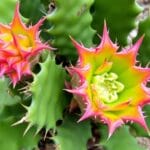
The Ladyfinger Cactus, Mammillaria elongata, is a captivating succulent native to the arid regions of central Mexico. Its slender, cylindrical stems grow in dense clusters that cascade elegantly over pots, creating a visual texture unlike any other cactus. Often referred to as “golden fingers” by collectors, it produces small, star-shaped yellow flowers that bloom in late spring, adding bursts of color to its spiny green stems.
This cactus is perfect for indoor containers, terrariums, and mixed succulent gardens. Its compact, slow-growing nature makes it ideal for beginners and experienced plant enthusiasts alike. With proper care, the Ladyfinger Cactus can thrive for decades, providing beauty and interest year-round.
## Understanding Your Ladyfinger Cactus
Mammillaria elongata belongs to the Mammillaria genus, recognized for its clustering growth habit and ornamental flowers. Each stem grows 2–4 inches in length and is covered with soft golden spines. While slow-growing, this cactus rewards patience with dense, cascading clusters that become more impressive over time.
To create a desert-themed indoor garden, consider pairing it with other favorites like the [Fishbone Cactus](https://mygardenandmore.com/fishbone-cactus-epiphyllum-anguliger-care-guide/) or [Star Cactus](https://mygardenandmore.com/star-cactus-astrophytum-asterias-care-guide/) to enhance your collection and provide complementary shapes and textures.
## Optimal Light Conditions
Ladyfinger Cactus thrives in bright, direct sunlight for several hours per day. Indoors, a south- or west-facing window is ideal. Insufficient light can cause stems to stretch and weaken, while intense, unfiltered afternoon sun may scorch the plant. Outdoors, morning or late afternoon sun is best in hot climates.
## Soil and Potting Requirements
Use a fast-draining cactus or succulent mix. Enhance with coarse sand or perlite to prevent water retention, which can lead to root rot. A recommended mix is:
– 50% cactus potting soil
– 25% coarse sand
– 25% perlite or pumice
Always plant in containers with drainage holes to allow excess water to escape.
## Watering Guidelines
The Ladyfinger Cactus is drought-tolerant but does best with careful watering. Apply the “soak-and-dry” method: water deeply until it drains from the pot, then allow the soil to dry completely before watering again. During the growing season (spring and summer), this typically means watering every 10–14 days. Reduce watering during fall and winter dormancy to once a month or less.
## Temperature and Humidity
This cactus prefers warm temperatures ranging from 65–80 °F (18–27 °C). It can tolerate brief dips to 50 °F (10 °C) but should be protected from prolonged cold. Ladyfinger Cactus does not require high humidity and thrives in average indoor conditions.
## Fertilization
Feed your cactus during the active growth period with a balanced, diluted cactus fertilizer every 4–6 weeks. Avoid fertilizing in the winter months when the plant is dormant.
## Propagation Techniques
Propagation is simple via stem cuttings. Cut a healthy stem segment, allow the end to callus for 2–3 days, then plant in well-draining soil. Under bright, warm conditions, roots will develop quickly. Propagation ensures you can expand your collection or share plants with friends.
## Common Pests and Problems
While hardy, Ladyfinger Cactus can occasionally face:
– Mealybugs
– Spider mites
– Root rot from overwatering
Address pests with neem oil or insecticidal soap. Always ensure excellent drainage to prevent root rot.
## Seasonal Care: Winter Dormancy
During winter, water sparingly, avoid fertilization, and maintain bright light. This dormancy period mimics its native desert dry season and prepares the cactus for vigorous spring growth.
## Care Table
| Care Aspect | Recommendation |
|——————|——————————————————————————-|
| Light | Bright light, 4–6 hours direct sun daily; south or west-facing window indoors |
| Soil | Well-draining cactus mix with coarse sand and perlite/pumice |
| Watering | Soak-and-dry method; every 10–14 days in growing season, once a month in winter |
| Temperature | 65–80 °F (18–27 °C) ideal; minimum 50 °F (10 °C) |
| Fertilization | Balanced cactus fertilizer every 4–6 weeks during spring and summer |
| Propagation | Stem cuttings; allow to callus 2–3 days, plant in dry, well-draining soil |
| Pests | Mealybugs, spider mites; root rot if overwatered |
## FAQ (Q & A Style)
Q: What light does Ladyfinger Cactus need?
A: Bright light with several hours of direct sun daily. Insufficient light leads to weak, elongated stems; intense afternoon sun may scorch the cactus.
Q: How often should I water my Ladyfinger Cactus?
A: Use the soak-and-dry method: water thoroughly, then wait until the soil is completely dry. Every 10–14 days in growing season, once a month in winter.
Q: What soil is best for Mammillaria elongata?
A: A well-draining cactus or succulent mix enhanced with coarse sand or perlite/pumice. Use pots with drainage holes to prevent waterlogging.
Q: Can Ladyfinger Cactus be propagated easily?
A: Yes, stem cuttings root quickly if allowed to callus for 2–3 days before planting in dry, well-draining soil.
Q: Is Ladyfinger Cactus safe for pets?
A: Non-toxic, but spines can injure pets. Keep the plant out of reach.