Introduction
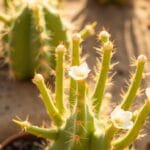
The Fishbone Cactus (Epiphyllum anguliger), also known as the zig-zag cactus, is a spectacular indoor plant with cascading, fishbone-like stems that instantly elevate a room’s greenery. Unlike desert cacti, it evolved in tropical forest environments, where it grows on trees and thrives in bright, filtered light, humidity, and well-draining soil. With proper care, this cactus can live for many years and sometimes produce fragrant night-blooming flowers — a rare treat indoors.
In this guide, you’ll discover everything about Fishbone Cactus care, including proper lighting, watering, soil, fertilization, propagation, and styling tips.
Understanding the Fishbone Cactus
Native to Mexico’s cloud forests, the Fishbone Cactus is an epiphytic plant, naturally growing on trees rather than in the soil. Its zig-zag stems can stretch several feet, creating dramatic cascading foliage. Night-blooming flowers emerge in white or creamy shades, rewarding attentive indoor gardeners with a stunning display.
Because it is epiphytic, this cactus requires care that mimics its natural tropical habitat rather than desert conditions.
Light Requirements
Provide bright, indirect light, similar to filtered forest sunlight. An east- or north-facing window is ideal. Direct afternoon sun can scorch the stems, while too little light will make them stretch and appear leggy.
Pro Tip: Rotate your plant occasionally for even growth and maintain the cascading stem shape.
Watering & Humidity
Water when the top 1–2 inches of soil are dry. Overwatering causes root rot and mushy stems; underwatering leads to wrinkled, limp stems.
Humidity: Moderate to high humidity helps stems stay firm. Use misting, pebble trays, or a nearby humidifier if air is dry.
Soil & Potting
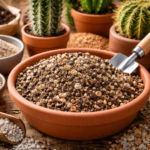
Use a well-draining soil mix: cactus soil + orchid bark + perlite/pumice.
Always use a pot with drainage holes.
Terracotta or unglazed ceramic helps air circulation.
Repot every 2–3 years or when roots fill the pot.
Temperature & Environment
Ideal: 60–78°F (15–26°C)
Minimum: 50°F (10°C)
Protect from drafts and sudden temperature changes.
Fertilizing
Feed during spring and summer with a balanced, water-soluble fertilizer, diluted to half strength, every 4–6 weeks. Skip fertilizing in winter.
Propagation
Take 4–6 inch stem cuttings.
Allow ends to callus for a few days.
Plant in well-draining soil mix.
For optimal growth, the right cactus soil is essential. Ensure a well-draining, airy mix that mimics its natural epiphytic habitat.
Keep in bright, indirect light and slightly moist soil until roots form.
Common Pests & Diseases
Mealybugs, spider mites, scale insects → treat with neem oil or insecticidal soap.
Leggy growth → insufficient light.
Root rot → overwatering.
No blooms → may need brighter light and cooler winter period.
Styling & Decorative Uses
Hanging baskets
High shelves or plant stands
Grouping with other indoor plants for a layered tropical display
FAQ
Q1: How often should I water my Fishbone Cactus?
A1: Water when the top 1–2 inches of soil are dry; reduce watering in winter.
Q2: Can Fishbone Cactus bloom indoors?
A2: Yes — with proper light, humidity, and a cooler winter period.
Q3: What soil mix is best?
A3: Well-draining soil: cactus soil + orchid bark + perlite/pumice.
Q4: How do I propagate a Fishbone Cactus?
A4: Take 4–6 inch stem cuttings, let them callus, plant in well-draining soil, and keep in indirect light until rooted.
Q5: Why are my stems limp?
A5: Limp stems usually indicate underwatering; brown, soft stems indicate overwatering.